Jhulta Minar
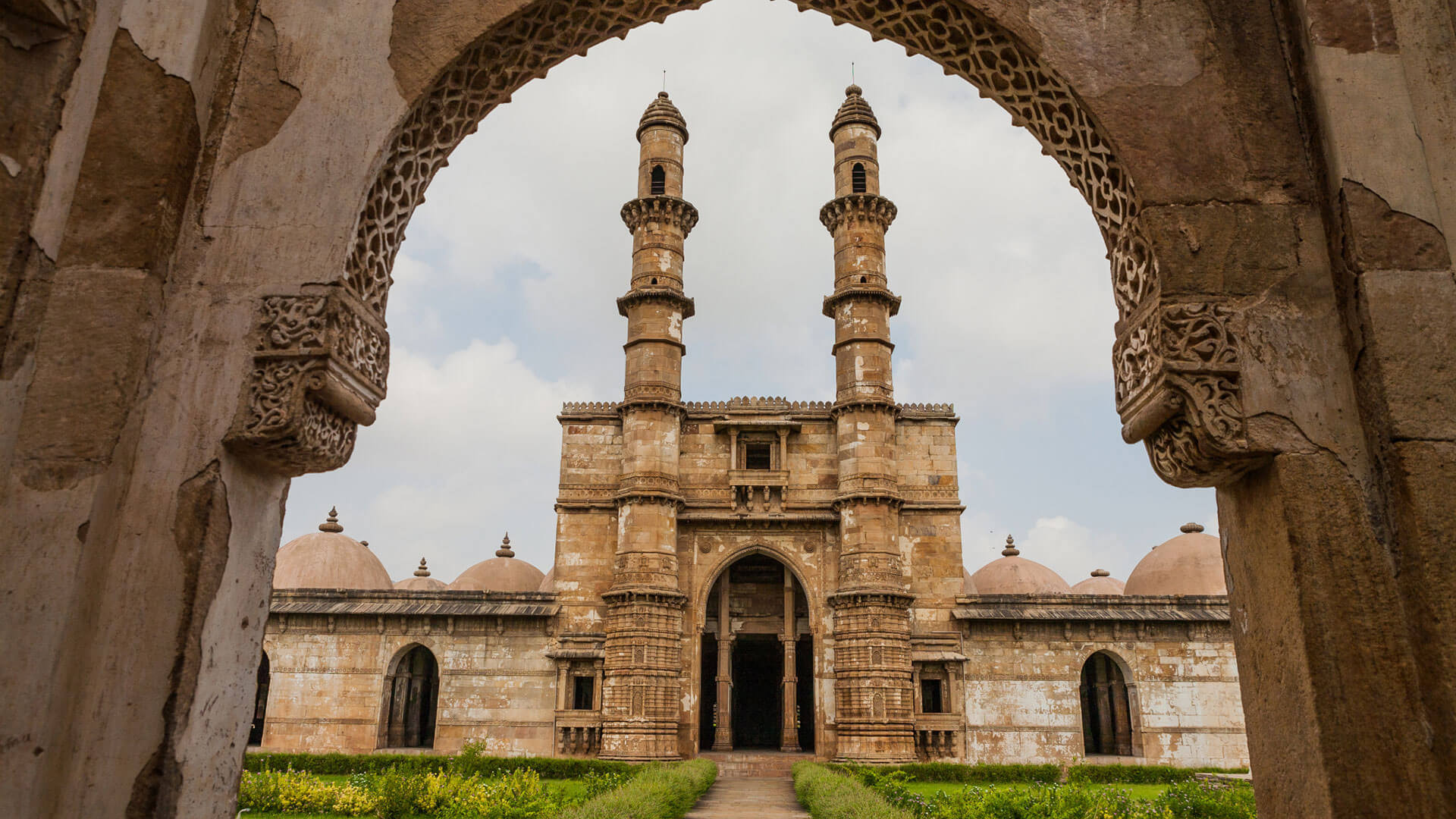
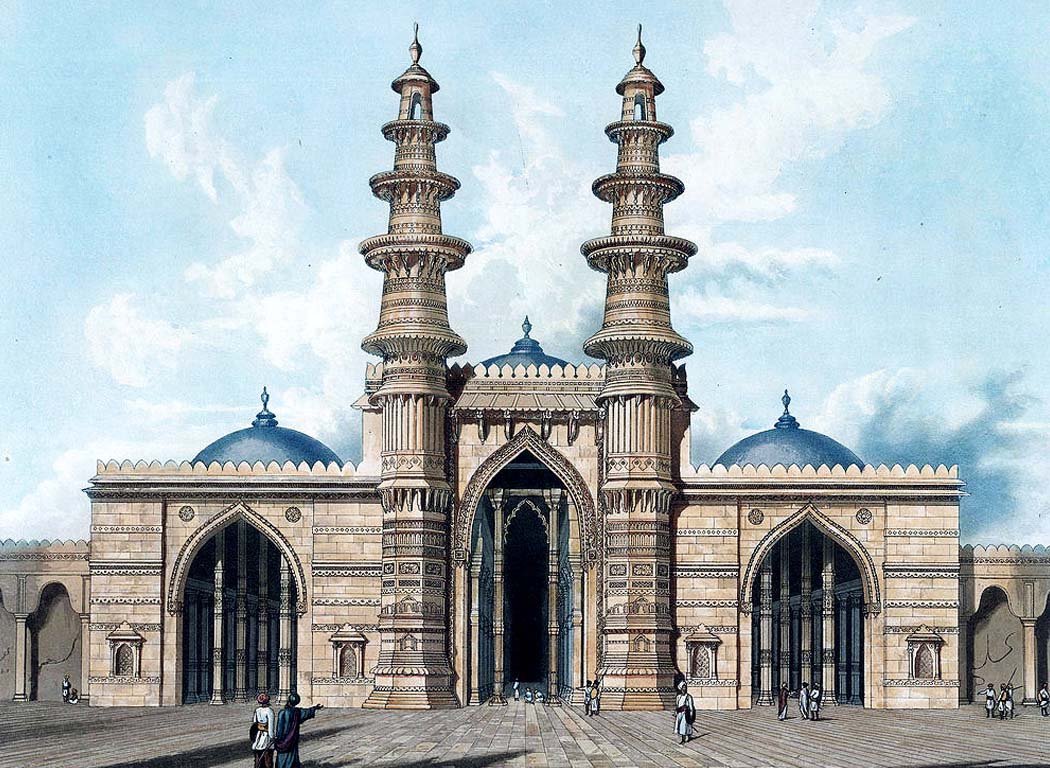
Jhulta Minara also known as the Shaking Minarets, they are playful but with a whir of quivering mystery. They have left the best of architects and pioneering design engineers intrigued and in unresolvable wonder. What they cannot unravel is when one minaret is shaken the other begins to vibrate, though the connecting passage between the two remains vibration-free; what causes this vibration is unknown. There are two well-known pairs of Shaking Minarets in Ahmedabad, one located opposite the Sarangpur Darwaja and the other near the Kalupur Railway Station Area. The one near Sarangpur Darwaja is within the vicinity of the Sidi Bashir Mosque built in 1452 AD by Sidi Bashir, a slave of Sultan Ahmed Shah. They are three storeys talls with carved balconies where visitors were once allowed to climb all the way up. The other set of minarets near the Railway Station is taller in height.
However, these are not in a very good condition as it is believed that the British had dismantled them to understand the cause of vibrations. They could not resolve the engineering and it was not possible to put them back in their original condition. Demonstrations of the minarets shaking or vibrating are not carried out anymore.
Sidi Saiyyed Mosque
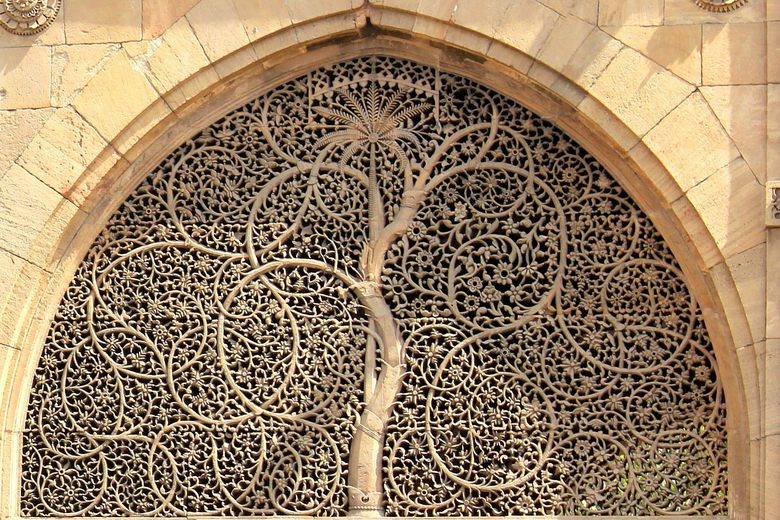
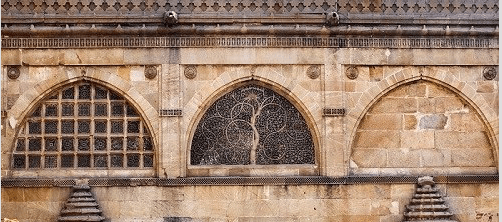
The Sidi Saiyyed mosque is entirely arcuated and is known for its ten intricately carved stone latticework windows (jalis) on the side and rear arches. The rear wall is filled with square stone pierced panels in geometrical designs. The two bays flanking the central aisle have reticulated stone slabs carved in designs of intertwined trees and foliage and a palm motif. This intricately carved lattice stone window is the Sidi Saiyyed Jali, the unofficial symbol of city of Ahmedabad and the inspiration for the design of the logo of the Indian Institute of Management Ahmedabad. The central window arch of the mosque, where one would expect to see another intricate jali, is instead walled with stone. This is possibly because the mosque was not completed according to plan before the Mughals invaded Gujarat.
Sabarmati Ashram
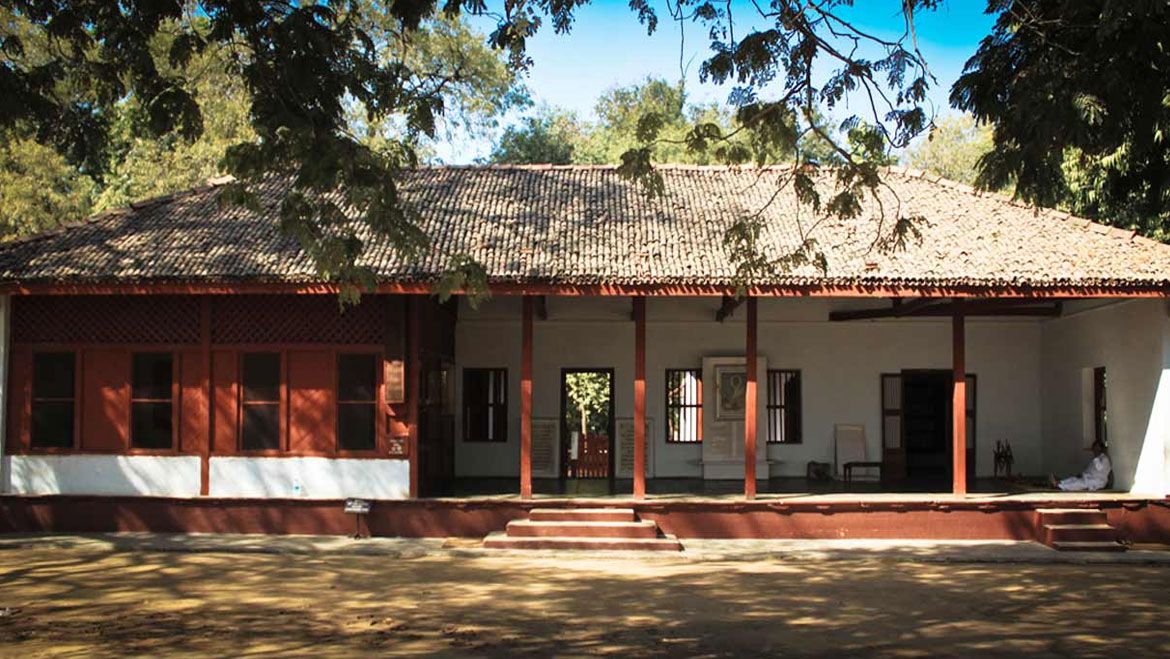
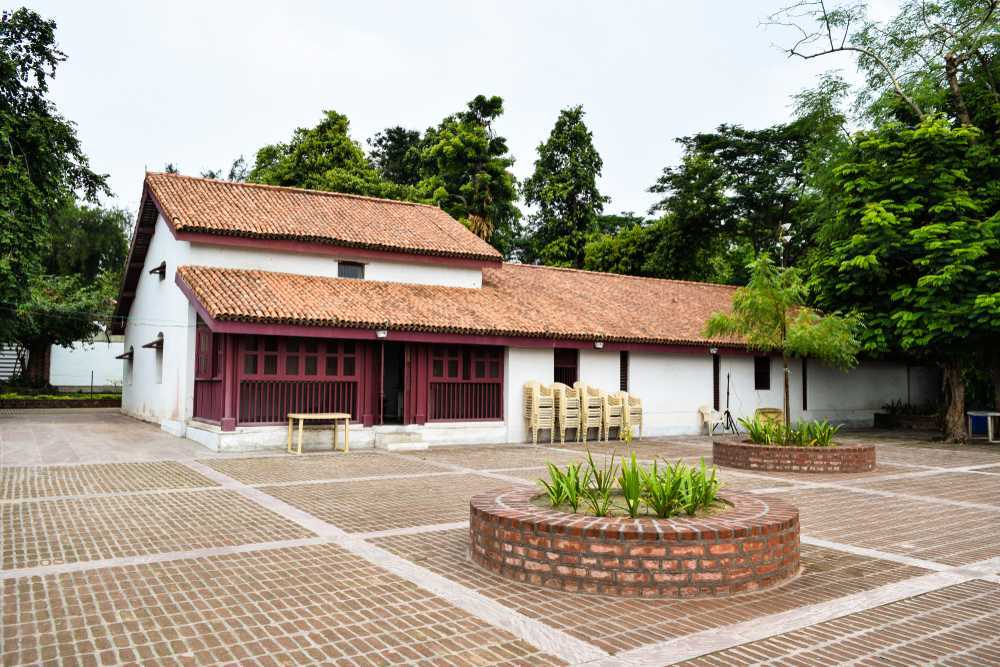

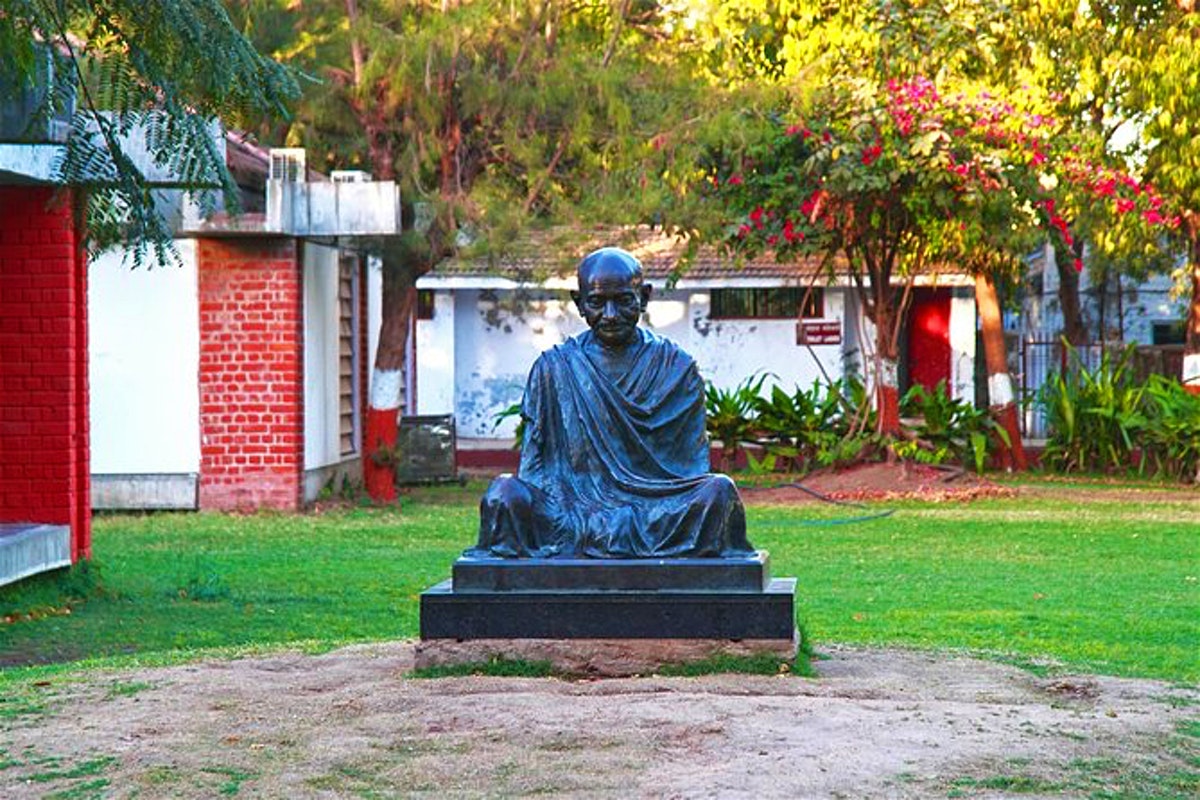
Sabarmati Ashram (also known as Gandhi Ashram, Harijan Ashram, or Satyagraha Ashram) is located in the Sabarmati suburb of Ahmedabad, Gujarat, adjoining the Ashram Road, on the banks of the River Sabarmati, 4.0 miles from the town hall. This was one of the many residences of Mahatma Gandhi who lived at Sabarmati (Gujarat) and Sevagram (Wardha, Maharashtra) when he was not travelling across India or in prison. He lived in Sabarmati or Wardha for a total of twelve years with his wife Kasturba Gandhi and followers, including Vinoba Bhave. The Bhagavad Gita was recited here daily as part of the Ashram schedule.
It was from his base here that Gandhi led the Dandi march also known as the Salt Satyagraha on 12 March 1930. In recognition of the significant influence that this march had on the Indian independence movement the Indian government has established the ashram as a national monument.